
Gold Making Charges Explained: 18k Vs 22k Rates You Should Know Before Buying
Buying gold is rarely ever as simple as checking the purity level and weight. Unless you are buying gold coins, the final bill gets tinkered with making charges that vary widely for 18K and 22K gold jewellery. Knowing how this markup applies helps you objectively compare designs, prevent overpayment and select jewellery within your budget that suits your needs best.
What Do Gold Making Charges Include?
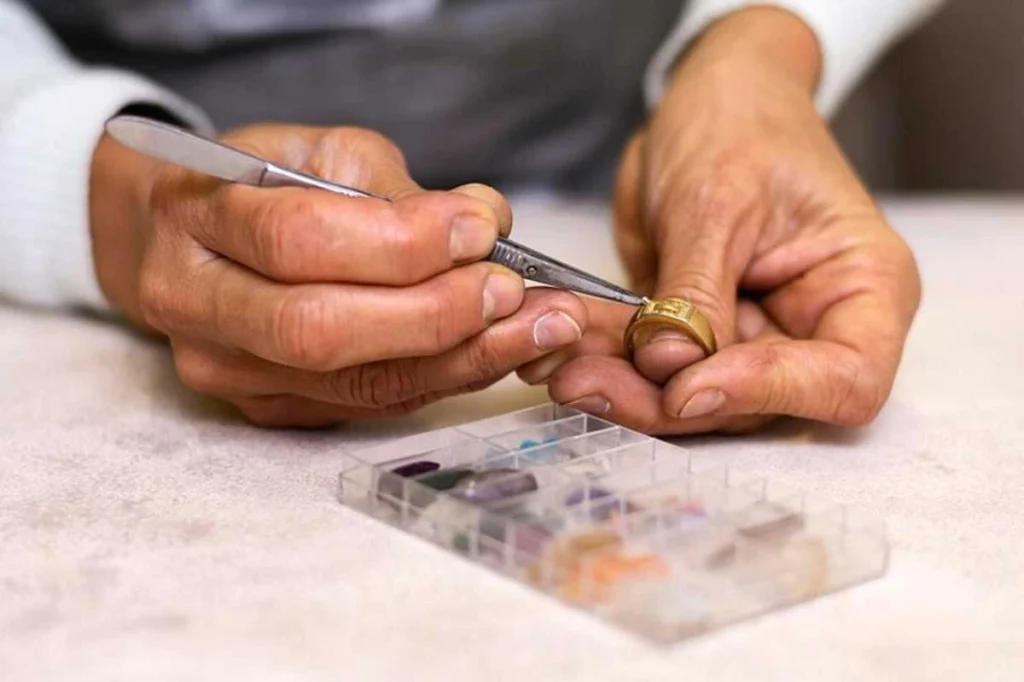
Gold making charges compensate the effort and design that goes into processing gold. Casting it into a specific shape, polishing it to desired finish and setting stones are all labor-intensive processes that involve skill. The charges are levied over and above the gold rate.
Retailers may include making charges as a percentage of the gold price or as a fixed amount per gram. There can also be additional charges on certain designs for handmade embellishments, machine-made detailing or weight of stones added to the piece. This makes identical gram weights seem drastically different on the final bill.
Why Are Charges Different for 18k and 22k?
The differences in durability and use affect the making charges for both these purity levels. Pure gold is softer than gold alloy and 22K carries more gold than 16K or 18K. Hence, 22-carat gold jewellery is preferred for traditional wear and buyers looking to invest in gold. They may also follow different patterns for making charges based on the design.
18K gold has higher proportions of alloy metal, making it relatively stronger and suitable for more elaborate modern designs. Due to versatility in designing fine cuts and structures, many jewellers reserve 18 carat gold for fashion jewellery. This is also why 18 carat gold making charges differ from those of 22 carat gold.
Making Charges for 22k Gold
If you are in the market for traditional gold jewellery, then making charges for 22k gold can be one of the largest additions after the base metal price. Jewellers may quote a percentage of the gold cost or a flat rate per gram depending on brand and design.
- Rates for simple chains or plain bangles are usually lower since the labour involved is less.
- Jewelry that is handcrafted, like temple jewellery, costs more because of embellishments.
- Machine-made jewellery looks cheaper but includes polishing and finishing costs too.
- If there are stones set into the ornament, the charges can include stone setting fees as well.
- Branded jewelry stores charge more for their quality assurance and return policies.
While some shops include taxes in the making charges, others do not. Always clarify if the displayed rate includes wastage charges, hallmarking fees, GST or stone cost. Just because the gold rate is low, it doesn’t mean you are getting a good deal after factoring in extras.
Factors Influencing 18 Carat Gold Making Charges
Making charges for 18k gold jewellery often depends on the artistic liberty leveraged by designers. Since 18K gold alloy is harder and more durable than 22K, it allows for detailed work on prongs, clasps, twists in the metal and modern shapes. Designers can charge more for intensive labour.
Patterns on rings, creative cuts on gold necklaces and pendant drops, or multiple stone settings on earrings require finer labour than simple bands or studs. Handmade jewellery usually costs more than stamped ones too. Sometimes buyers are paying more for design rather than gold.
Comparing 18k and 22k Rate Cards
Before you settle on a type, understand how each jeweller breaks down the bill. Some advertise only by the gold rate and add on the others quietly. While others lump a few costs together under making charges so the final number looks low but is actually not when clarified.
- Understand if the making charges are on a percentage basis or fixed to the gram price.
- Try comparing the same weight across at least two or three stores.
- Clarify if they provide hallmarking service or if it’s included in the price shown.
- Find out if total stone weight is deducted from the gold weight mentioned.
- Look for return policies or no exchange policies before giving an advance.
Only when you run the same parameters between rate cards can you truly see if the cheaper piece really is the better deal. This becomes particularly helpful when you are looking at 22 carat gold making charges versus gold jewellery of a different purity.
When Higher Making Charges Make Sense
Just because the markup on gold making charges is higher doesn’t mean you should cross that brand off your list. If the jewellery comes with intricate filigree, hand attention to detailing, secure stone fixing or longer lasting finishes – paying extra to ensure better quality might be worth it.
The distinctions in gold-making charges and their rationale can be better understood through the key differences summarized below.
| Gold Type | Durability | Design Complexity | Common Uses |
|---|---|---|---|
| 18K | High | Detailed modern cuts | Fashion jewelry |
| 22K | Moderate | Simpler traditional styles | Wedding & investment |
| 18K | Stronger alloy | Enables intricate shapes | Heirloom designs |
| 22K | Softer alloy | Requires more care in storage | Daily wear |
By considering these factors, buyers can align quality expectations with making charge variations and personal preferences.
Think of the purchase as something you will either wear often or keep as an heirloom before deciding if you should go for a higher making charge. Workmanship is directly proportional to how the piece will look and last for years to come in these cases.
Negotiating Prices Without Hurting Yourself
Nobody wants to pay more than they have to. While the price of gold fluctuates regularly and isn’t worth negotiating, the making charges can sometimes be negotiated if you talk to the seller. Don’t haggle, negotiate by being polite and mentioning your requirements.
Many jewelers allow negotiated prices if you are buying more than one piece or going for a simpler design as opposed to an intricate one. They may even offer seasonal discounts on labour costs. Every rupee saved on high-ticket items is a victory when you’re purchasing heavier jewellery or special finishes.
Creating a Buying Checklist
Preparing a foolproof shopping strategy ensures that you don’t get lost in the excitement of the purchase and miss important details. It also lets you compare two stores fairly when you are looking at gold jewellery making across multiple categories.
- Double check the current gold price from another source before you step into the store.
- Call and verify the mentioned making charges with at least two other stores.
- Don’t forget to match hallmarks and carefully read the certification they provide.
- Always ask for a detailed bill specifying each charge you are paying for.
- Select your desired purity based on where you will be wearing the piece.
- Opt for simpler designs if you want to better manage your spending.
Once you realize that many factors go into arriving at the price on paper, you will understand how to choose the right store to buy from. Whether you like wearing vintage jewellery or only purchase cutting-edge designs, the more you know the smoother your shopping experience will be.
Making Jewelry Buying Decisions
Whether you ultimately choose value or design depends on your intentions with the gold. If you like wearing traditional jewellery and want pieces with high wedding jewellery appeal, gold with 22K purity is ideal. It looks richer and while the metal is softer, the labour charges aren’t always fixed.
For trendy fashion jewellery and unique pieces of craftsmanship you gravitate towards 18K as a standard. Understanding how gold making charges work for both types of jewellery now makes it easy for you to decide. Happy shopping!
